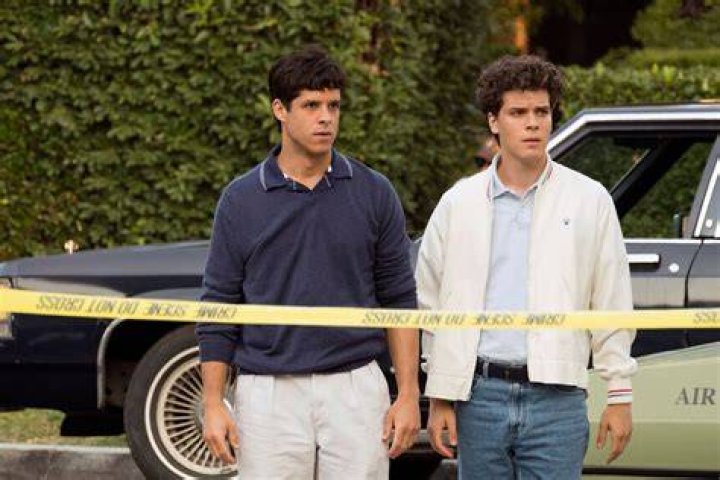
Dark October is based on the tragic true story of four students who became known as the Aluu 4. Photo / Netflix
Dark October (PG, 116 mins) Streaming on Netflix
Directed by Tokor McBaror
Nollywood has produced several films that Netflix has in their Nigerian and international line-ups. One of them is Dark October, directed by Toka McBaror who made his name in Nigeria with a comic heist film The Millions (Netflix, 2019).
Dark October begins light-heartedly, but morphs into tragedy. It’s based on the true story of four students who became known as the Aluu 4, who were falsely accused of theft, subjected to jungle justice and killed in the Aluu area of Port Harcourt, Nigeria, in October 2012.
AdvertisementAdvertise with NZME.Netflix and McBaror received some flak in Nigeria after the film’s release in March this year, when it was revealed that Dark October had been made without the permission of the grieving parents.
In the film, the plot goes like this. Four students, riding high on the success of their entry to a rap competition, are chattering excitedly about doing well in their tests, and their ambitions. One of them is texting his girlfriend about going to Aluu, to be sure Wisdom (Boman Bognet) is in his room with the money he owes one of them - fun-loving, big-hearted Tizzy (Chuks Joseph).
Wisdom, with no intention of paying Tizzy back, accuses the four of theft, then packs up and leaves. Aluu comes out in force, as a wild mob, spreading rumours about the four being armed and dangerous.
The pompous community leader conceals evidence that would have exonerated them. With Wisdom having disappeared, taking the truth with him, the police believe the community leader and the local chief gives a misguided verdict. By 9.30am, the four young men lie dead, lynched by the mob.
AdvertisementAdvertise with NZME.Dark October is a well-made, courageous film, contributing to Nigeria’s filmmaking reputation which has been growing fast during Covid-19 recovery. Nigeria has been identified as one of four leading African countries by PwC in its recent five-year projections of consumer and advertiser spending in the Entertainment and Media segments.
The film feels a lot like a documentary, although it uses professional actors for the main roles. The script, by executive producer Linda Ikeji and writer Odewa Shaga, seems like completely natural dialogue.
In the lead-up to the film’s release, Linda Ikeji said in the online publication Bellanaiga that she hoped it would “spark a conversation about the dangers of extrajudicial killings and the importance of ensuring justice for all”.
Ikeji, a highly successful blogger, broadcaster, writer and entrepreneur, going into film production for the first time, has been profiled by Forbes as one of Africa’s 20 most prominent women. Her influence could bring change to the justice system.
Seyi Lasisi, writing about Dark October online in The Film Conversation, says corruption in the Nigerian police force isn’t a recent phenomenon, nor are vigilante groups. He adds, “The street becomes the courtroom … (for) trial and judgment.”
Interesting rather than entertaining, Dark October suggests that vigilante groups form in the absence of sound policing and legal systems, or courts people can trust, and that in a lawless state, lethal violence can erupt with no warning.
Recommended
Movies are rated: Avoid, Recommended, Highly recommended and Must see.